医学部
News& Event

Medical School Conducts Silver Age Teaching Support Visit & Counterpart Xinjiang Assistance Exchange Activities in Xinjiang

Author: Chen Weifen Date: 2026-06-11

To thoroughly implement the Party’s Xinjiang governance strategy for the new era, steadily advance paired assistance in education and medical care for Xinjiang, deepen mountain-sea cooperation between Zhejiang-Aral and Zhejiang-Shaya, and leverage the university’s strengths in medical and educational resources to fuel high-quality development of medical and health services in southern Xinjiang, from June 4 to 7, Wang Qianyong, Executive Deputy Secretary of the Party Committee of the Medical School, and Xu Jin, Deputy Director of the Medical School, led a delegation to Aral City and Shaya County in Xinjiang for field visits, condolence visits, and medical-educational-research cooperation docking. The team paid in-person condolences to senior teachers participating in the Silver Age Teaching Support Program at Tarim University, and accurately aligned assistance demands for medical education and scientific innovation between the two regions.

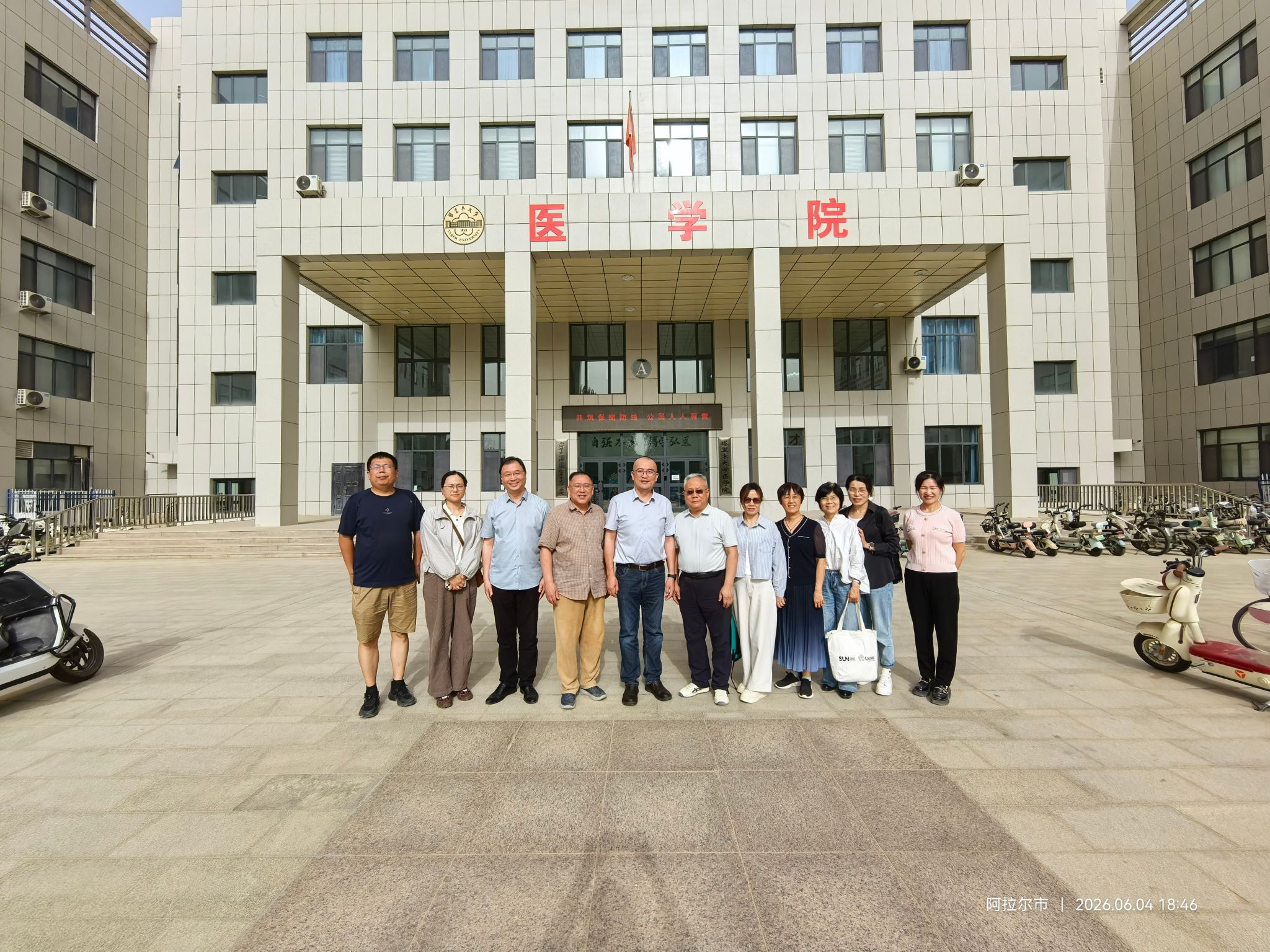
At Tarim University, Xie Jianxin, Vice President of the university, met with the delegation and presided over a forum. Xie Jianxin elaborated on Tarim University’s distinguished educational history, as well as the overall progress of the Tarim University School of Medicine in specialty development, talent cultivation, faculty building and disciplinary research. He spoke highly of the four senior professors from Ningbo University on the Silver Age Teaching Support Program, who have rooted themselves in southern Xinjiang and dedicated themselves wholeheartedly to education. For a long time, our university’s senior teachers have drawn on their rich experience, professional expertise and exemplary ethics to carefully mentor young faculty at the Tarim University School of Medicine, standardize teaching systems and boost disciplinary development. Their efforts have provided robust support for standardized teaching operations, professional faculty echelon construction and steady improvement of talent training quality at the Tarim University School of Medicine.

Wang Qianyong commended the outstanding educational achievements of the Tarim University School of Medicine, and systematically introduced the distinctive features, disciplinary strengths and development outcomes of Ningbo University and its Medical School. He stated that the Medical School will continue to shoulder the social responsibility of a university, advance Xinjiang assistance through education, talent training and technological support under the guidance of Party building, and refine long-term cooperation mechanisms. The school will continuously dispatch high-quality teaching staff, build platforms for teaching exchanges, collaborative research and mutual visits by teachers and students, and drive high-quality development of medical education in southern Xinjiang through persistent, down-to-earth efforts. During the forum, both sides reached consensus on key areas including sustained deepening of Silver Age teaching support, sharing of teaching resources, joint research projects and two-way talent training. The delegation also paid special condolences to the senior supporting professors, learned in detail about their work and daily lives in Xinjiang, and presented local specialties from Ningbo to ease their homesickness, conveying the humanistic care and warmth of the Medical School.

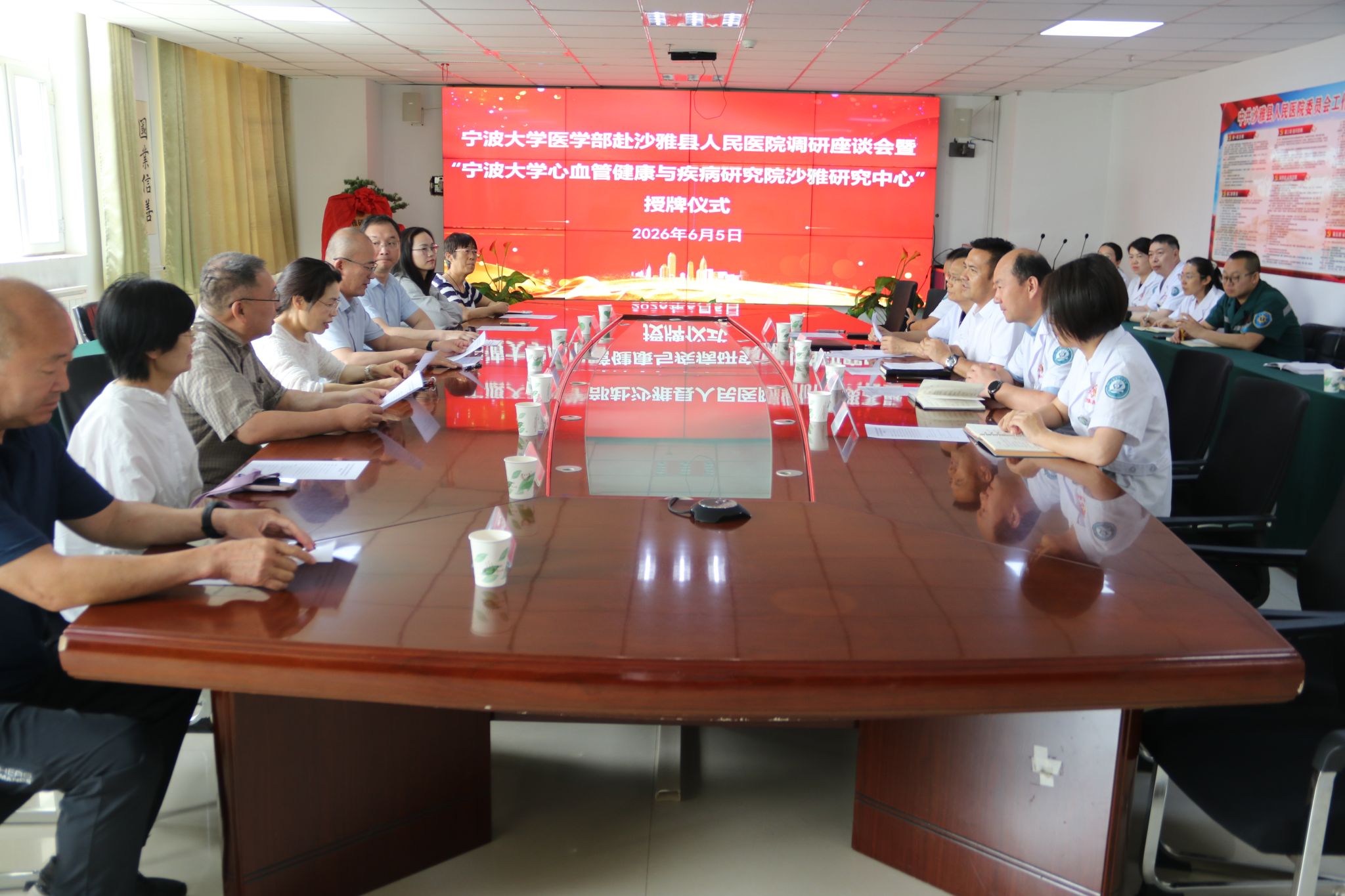
Together with the Silver Age supporting teachers, the delegation visited Shaya County People’s Hospital to attend the unveiling ceremony of the Shaya Research Center under Ningbo University Institute of Cardiovascular Health and Diseases. Nurgul Mamat, Deputy Magistrate of Shaya County, Ahat Kebir, Deputy Director of the County Health Bureau, and the management team of Shaya County People’s Hospital attended the event. Wang Qianyong and Zhang Wuchang, President of Shaya County People’s Hospital, jointly unveiled the research center, marking a new phase of our university’s Xinjiang assistance work — shifting from short-term teaching support to co-construction of platforms, joint cultivation of research talents, sharing of medical technologies and long-term capacity building.

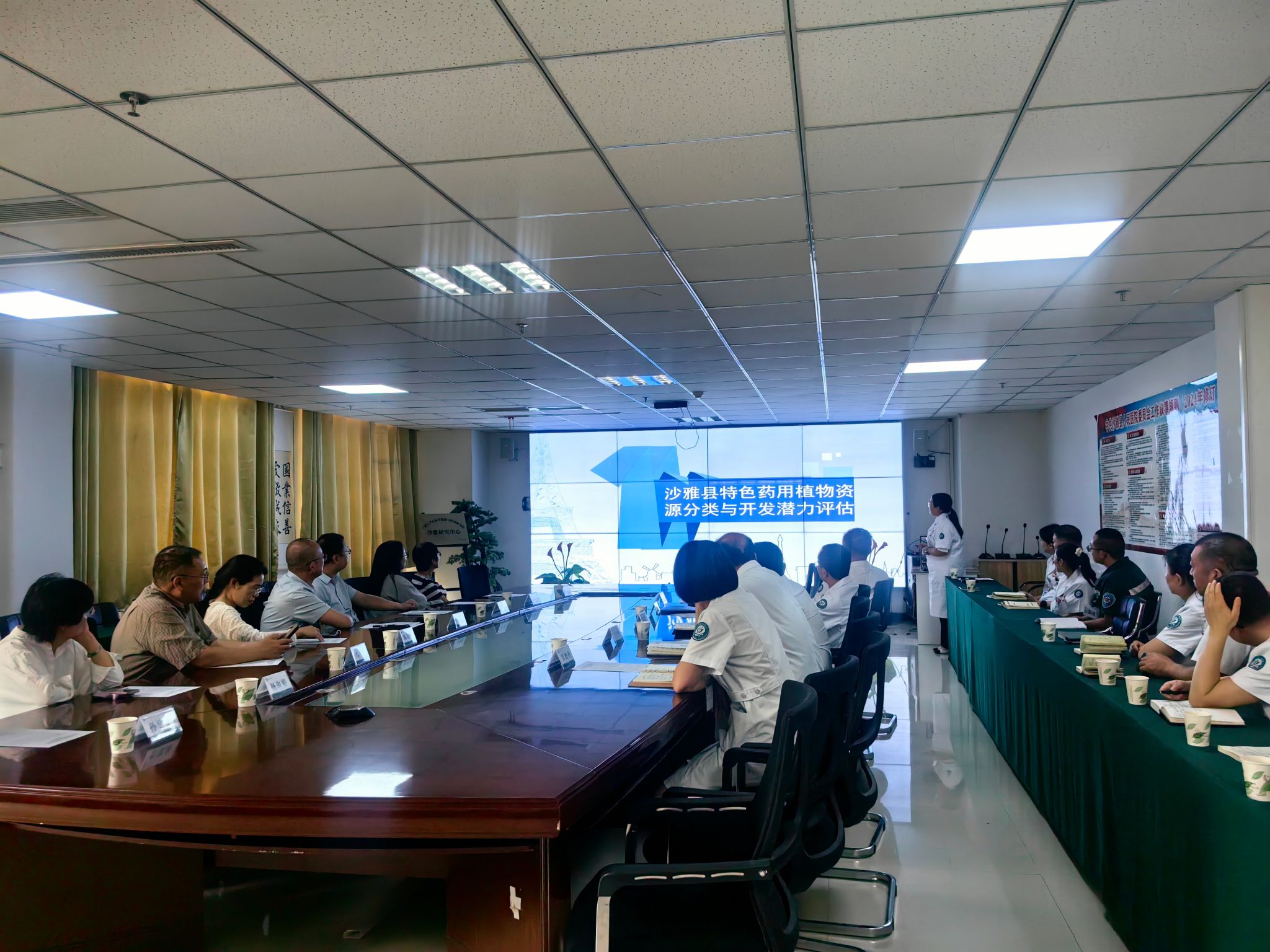
During the exchange forum, Shaya County People’s Hospital gave a detailed introduction to its featured traditional Chinese medicine research, clinical development status, and urgent needs for disciplinary development and research capacity improvement. The two sides held in-depth consultations on core work including integrated development of medical practice, education and research, joint research projects and faculty echelon training, refining concrete measures and clarifying future priorities. At the event, Xu Jin and the senior Silver Age professors delivered special guidance for frontline clinical medical staff targeting bottlenecks in grassroots hospital research, covering research mindset, project design and achievement incubation, to precisely elevate the research capacity of county-level medical institutions.

This Xinjiang trip is not only a heartfelt tribute to the dedication of senior teachers supporting Xinjiang, but also a pragmatic initiative by the Medical School to implement the paired Xinjiang assistance strategy and serve regional medical and health undertakings. Moving forward, the Medical School will further advance the mountain-sea integrated Xinjiang assistance mechanism. Centered on faculty teaching support, joint platform development, research empowerment and medical assistance, the school will precisely deliver premium medical and educational resources, continuously expand and enrich cooperation, fully boost high-quality development of medical education, grassroots medical services and health undertakings in southern Xinjiang, and live up to Ningbo University’s responsibility in university paired assistance to Xinjiang in the new era.

About us - News& Event -
News& Event

Medical School Conducts Silver Age Teaching Support Visit & Counterpart Xinjiang Assistance Exchange Activities in Xinjiang

Author: Chen Weifen Date: 2026-06-11

To thoroughly implement the Party’s Xinjiang governance strategy for the new era, steadily advance paired assistance in education and medical care for Xinjiang, deepen mountain-sea cooperation between Zhejiang-Aral and Zhejiang-Shaya, and leverage the university’s strengths in medical and educational resources to fuel high-quality development of medical and health services in southern Xinjiang, from June 4 to 7, Wang Qianyong, Executive Deputy Secretary of the Party Committee of the Medical School, and Xu Jin, Deputy Director of the Medical School, led a delegation to Aral City and Shaya County in Xinjiang for field visits, condolence visits, and medical-educational-research cooperation docking. The team paid in-person condolences to senior teachers participating in the Silver Age Teaching Support Program at Tarim University, and accurately aligned assistance demands for medical education and scientific innovation between the two regions.

At Tarim University, Xie Jianxin, Vice President of the university, met with the delegation and presided over a forum. Xie Jianxin elaborated on Tarim University’s distinguished educational history, as well as the overall progress of the Tarim University School of Medicine in specialty development, talent cultivation, faculty building and disciplinary research. He spoke highly of the four senior professors from Ningbo University on the Silver Age Teaching Support Program, who have rooted themselves in southern Xinjiang and dedicated themselves wholeheartedly to education. For a long time, our university’s senior teachers have drawn on their rich experience, professional expertise and exemplary ethics to carefully mentor young faculty at the Tarim University School of Medicine, standardize teaching systems and boost disciplinary development. Their efforts have provided robust support for standardized teaching operations, professional faculty echelon construction and steady improvement of talent training quality at the Tarim University School of Medicine.

Wang Qianyong commended the outstanding educational achievements of the Tarim University School of Medicine, and systematically introduced the distinctive features, disciplinary strengths and development outcomes of Ningbo University and its Medical School. He stated that the Medical School will continue to shoulder the social responsibility of a university, advance Xinjiang assistance through education, talent training and technological support under the guidance of Party building, and refine long-term cooperation mechanisms. The school will continuously dispatch high-quality teaching staff, build platforms for teaching exchanges, collaborative research and mutual visits by teachers and students, and drive high-quality development of medical education in southern Xinjiang through persistent, down-to-earth efforts. During the forum, both sides reached consensus on key areas including sustained deepening of Silver Age teaching support, sharing of teaching resources, joint research projects and two-way talent training. The delegation also paid special condolences to the senior supporting professors, learned in detail about their work and daily lives in Xinjiang, and presented local specialties from Ningbo to ease their homesickness, conveying the humanistic care and warmth of the Medical School.

Together with the Silver Age supporting teachers, the delegation visited Shaya County People’s Hospital to attend the unveiling ceremony of the Shaya Research Center under Ningbo University Institute of Cardiovascular Health and Diseases. Nurgul Mamat, Deputy Magistrate of Shaya County, Ahat Kebir, Deputy Director of the County Health Bureau, and the management team of Shaya County People’s Hospital attended the event. Wang Qianyong and Zhang Wuchang, President of Shaya County People’s Hospital, jointly unveiled the research center, marking a new phase of our university’s Xinjiang assistance work — shifting from short-term teaching support to co-construction of platforms, joint cultivation of research talents, sharing of medical technologies and long-term capacity building.

During the exchange forum, Shaya County People’s Hospital gave a detailed introduction to its featured traditional Chinese medicine research, clinical development status, and urgent needs for disciplinary development and research capacity improvement. The two sides held in-depth consultations on core work including integrated development of medical practice, education and research, joint research projects and faculty echelon training, refining concrete measures and clarifying future priorities. At the event, Xu Jin and the senior Silver Age professors delivered special guidance for frontline clinical medical staff targeting bottlenecks in grassroots hospital research, covering research mindset, project design and achievement incubation, to precisely elevate the research capacity of county-level medical institutions.

This Xinjiang trip is not only a heartfelt tribute to the dedication of senior teachers supporting Xinjiang, but also a pragmatic initiative by the Medical School to implement the paired Xinjiang assistance strategy and serve regional medical and health undertakings. Moving forward, the Medical School will further advance the mountain-sea integrated Xinjiang assistance mechanism. Centered on faculty teaching support, joint platform development, research empowerment and medical assistance, the school will precisely deliver premium medical and educational resources, continuously expand and enrich cooperation, fully boost high-quality development of medical education, grassroots medical services and health undertakings in southern Xinjiang, and live up to Ningbo University’s responsibility in university paired assistance to Xinjiang in the new era.